September 17, 2026
Septic systems play an important role in managing wastewater for homes and properties that are not connected to municipal sewer networks. While a properly maintained system can last for decades, components eventually wear out, drainage problems can develop, and environmental conditions can affect performance. When repairs are no longer practical, septic replacements may provide a long-term solution.
According to This Old House, more than 25% of people in the United States rely on septic systems for waste management. Because these systems serve such a large portion of the population, understanding when replacement is necessary and what the process involves can help property owners make informed decisions. From recognizing early warning signs to evaluating costs and contractors, several factors deserve consideration before beginning a replacement project.
What Signs Indicate You Need a Septic Replacement?
A septic system does not necessarily need to be replaced every time a problem develops. Many issues can be addressed through pumping, maintenance, or targeted repairs. However, recurring problems may indicate that the system has reached the end of its useful life.
One of the most noticeable warning signs is persistent sewage backup. If wastewater repeatedly backs up into sinks, showers, toilets, or other fixtures despite regular pumping and maintenance, the underlying system may have a serious problem. Slow drains throughout the property can also indicate that wastewater is not moving through the system properly.
Unusually wet areas in the drain field are another potential warning sign. Standing water, soggy soil, or unusually lush vegetation over the drain field can indicate that wastewater is not being absorbed correctly. Sewage odors around the tank or drain field may also signal a failing system.
Age is another consideration. While the lifespan of a septic system varies depending on its design, materials, soil conditions, usage, and maintenance history, older systems can eventually experience structural deterioration. Cracked tanks, damaged pipes, failing distribution components, or an inadequate drain field may make repairs impractical.
Property owners should have recurring septic problems evaluated by a qualified professional before assuming replacement is necessary. An inspection can help determine whether septic replacements are appropriate or whether a repair or maintenance solution could resolve the problem.
How Are Septic Replacements Performed?
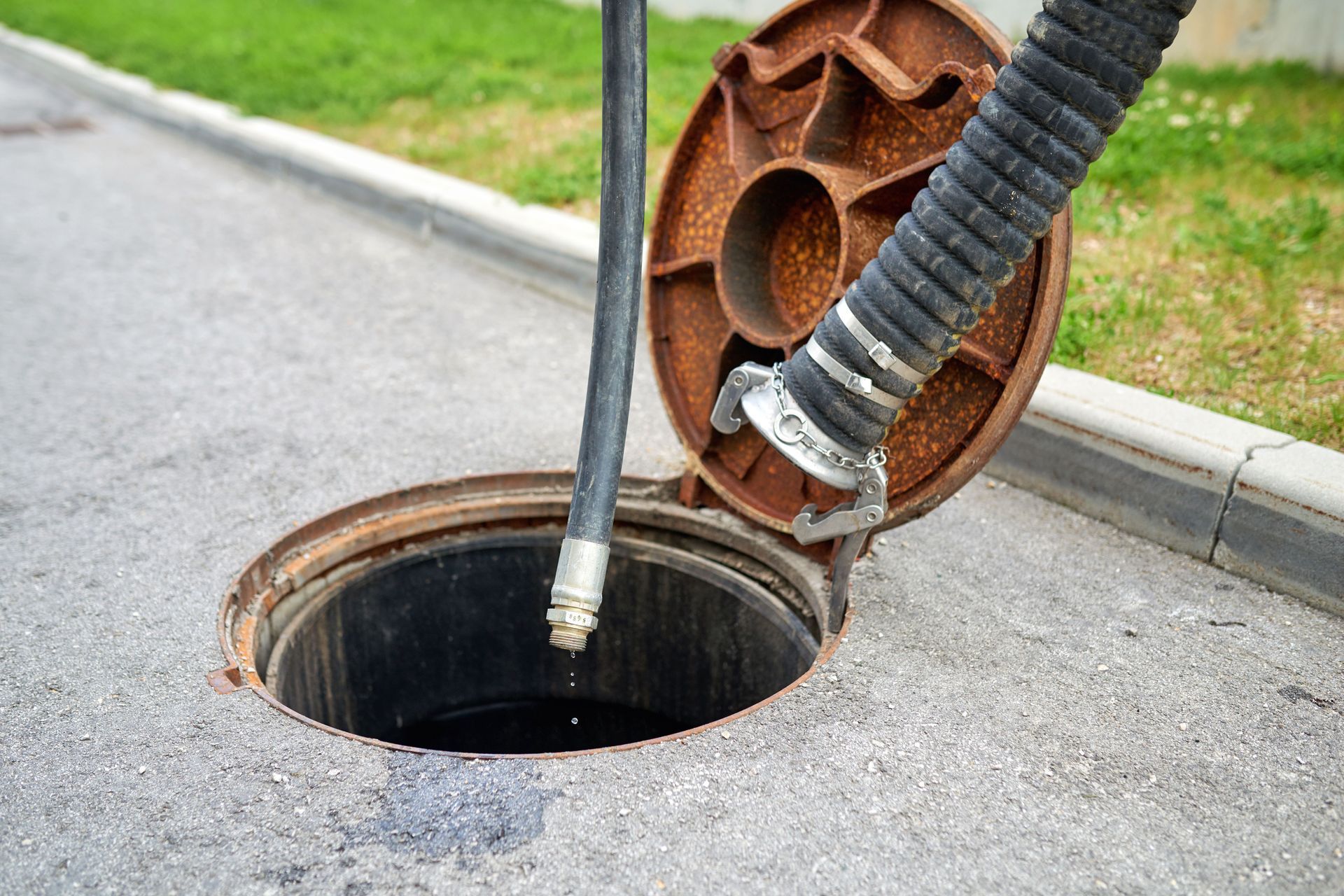
The septic replacement process begins with an evaluation of the existing system and property. A professional may inspect the tank, distribution system, drain field, plumbing connections, soil conditions, and overall site layout. Local regulations and permitting requirements must also be considered before construction begins.
Once a replacement plan has been developed and necessary approvals have been obtained, the old system can be removed or decommissioned. Depending on local requirements and the condition of the existing components, the tank may be pumped, removed, abandoned in place, or otherwise handled according to applicable regulations.
The next stage generally involves preparing the site for the new system. Excavation equipment is used to create space for the new septic tank, pipes, and drain field. Soil conditions and property characteristics can influence the system's design. In some locations, additional treatment components or alternative systems may be necessary because conventional drain fields are not suitable.
The new tank is then installed and connected to the property's wastewater plumbing. Distribution lines carry effluent from the tank toward the drain field or other approved treatment area. Once the system is installed, the surrounding soil is placed back into position and the site is restored as much as practical.
Because septic replacements involve excavation, wastewater infrastructure, environmental considerations, and local requirements, the exact process varies from property to property. Professional assessment and proper permitting are important parts of the project.
What Are the Costs Associated With Septic Replacements?
The cost of septic replacements can vary substantially depending on the property and the type of system being installed. There is no single price that applies to every replacement because several variables influence the total project cost.
The size and type of septic system are major considerations. A larger household may require a larger tank or more extensive treatment capacity. Conventional systems may have different costs than advanced treatment systems designed for properties with challenging soil conditions or limited usable space.
The condition of the existing system can also affect the project. Removing an old tank, dealing with damaged piping, excavating difficult terrain, or addressing contaminated soil can add labor and equipment expenses. Drain field requirements can have a particularly significant effect because the field may require substantial excavation and installation work.
Permitting, engineering, inspections, site preparation, landscaping restoration, and other related services may also contribute to the final cost. Properties with steep terrain, limited access, poor soil conditions, or high groundwater levels can present additional challenges.
Rather than selecting a contractor based solely on the lowest initial estimate, property owners should request detailed written proposals explaining the work included in the price. Comparing several estimates can make it easier to understand the scope of the project and identify significant differences between proposals.
How Long Does a Septic Replacement Take?
The timeline for septic replacements depends on the size and design of the system, site conditions, permitting requirements, weather, and the complexity of the installation. A relatively straightforward project may be completed within several days once construction begins, while more involved replacements can take longer.
Much of the overall timeline may occur before excavation begins. Property evaluations, soil testing, system design, engineering, permitting, and scheduling can add time to the project. In some jurisdictions, approvals are required before work can legally begin.
Construction itself typically involves removing or decommissioning the existing system, excavating the site, installing the new tank and distribution components, constructing the drain field, and restoring the property. Weather can affect excavation and soil work, particularly when heavy rain creates muddy or unstable conditions.
Homeowners should ask their septic professional for a project-specific timeline rather than relying on a generic estimate. Understanding what happens during each stage can also help property owners prepare for temporary disruptions to normal water and wastewater use.
What Should You Consider When Choosing a Septic Replacement Service?
Choosing the right contractor is an important part of septic replacements. Because the project involves wastewater management and potentially significant excavation, property owners should look for a company with appropriate experience, licensing, insurance, and knowledge of local requirements.
Start by asking whether the contractor has completed projects similar to yours. A provider familiar with conventional systems may not have the same experience with alternative systems, challenging soil conditions, or properties with limited space. Ask about the proposed system and why it is appropriate for the property.
It is also important to understand what the estimate includes. A detailed proposal should identify major components, excavation, installation, permitting responsibilities, site restoration, and other expected expenses. Property owners can use this information to compare contractors more accurately.
References and reviews can provide additional insight into a company's communication, workmanship, and reliability. You can also ask prospective contractors how they handle unexpected conditions discovered during excavation. Clear communication about potential changes can help prevent unpleasant surprises.
Maintaining Your New Septic System
Once
septic replacements are complete, regular maintenance can help protect the investment. Homeowners should follow the maintenance recommendations provided for their specific system and arrange routine pumping and inspections when appropriate.
Water usage should also be managed responsibly. Excessive water entering the system in a short period can place additional strain on the tank and drain field. Fixing leaking fixtures, spreading laundry throughout the week, and avoiding unnecessary water waste can help reduce the load.
Septic replacements represent a significant property improvement, but replacement is not always the first answer to a septic problem. Recognizing recurring backups, drainage issues, odors, wet drain fields, and other warning signs can help homeowners determine when professional evaluation is warranted.
Understanding the replacement process, potential costs, project timeline, and contractor selection criteria can make the experience more manageable. Once the new system is installed, consistent maintenance and responsible water use can support its long-term performance.
For property owners who depend on private wastewater treatment, knowing how septic replacements work provides valuable insight into one of the most important systems serving the home. With proper evaluation, planning, installation, and maintenance, a replacement septic system can provide reliable wastewater management for years to come. If you need septic work, reach out to Superior Plumbing Maintenance LLC today!