September 3, 2026
Homes without access to a municipal sewer may rely on an onsite septic system to collect, separate, and treat wastewater. The tank is the first major treatment component, but it does not make wastewater completely clean or eliminate every solid. Instead, it creates a relatively calm environment where gravity separates materials and microorganisms begin breaking down some organic matter. Understanding how septic tanks perform this work helps homeowners recognize why pumping, inspections, careful water use, and protection of the drain field remain necessary.
Wastewater Enters a Purpose-Built Tank
Wastewater from toilets, sinks, showers, laundry, and other connected fixtures travels through the building sewer to the tank. Tanks are commonly made from concrete, fiberglass, or plastic materials designed for underground use. Their size and construction must comply with applicable local requirements and suit the expected wastewater flow from the property.
The inlet directs incoming wastewater into the tank. A baffle or sanitary tee near this opening can reduce disturbance and direct flow below the floating surface layer. At the opposite end, another baffle or tee helps keep floating material and settled solids away from the outlet. These components support separation by allowing liquid from the middle portion of the tank to move onward.
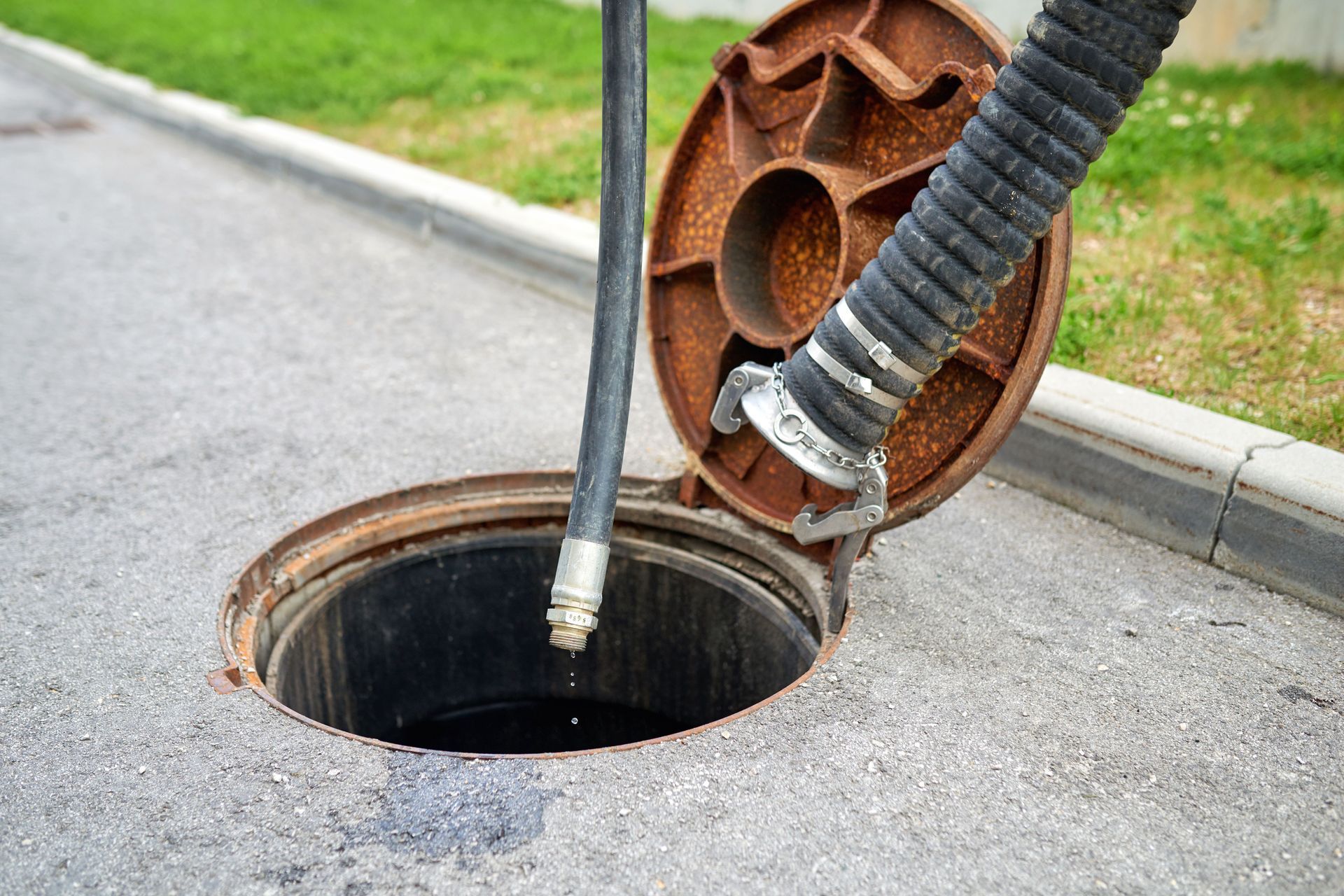
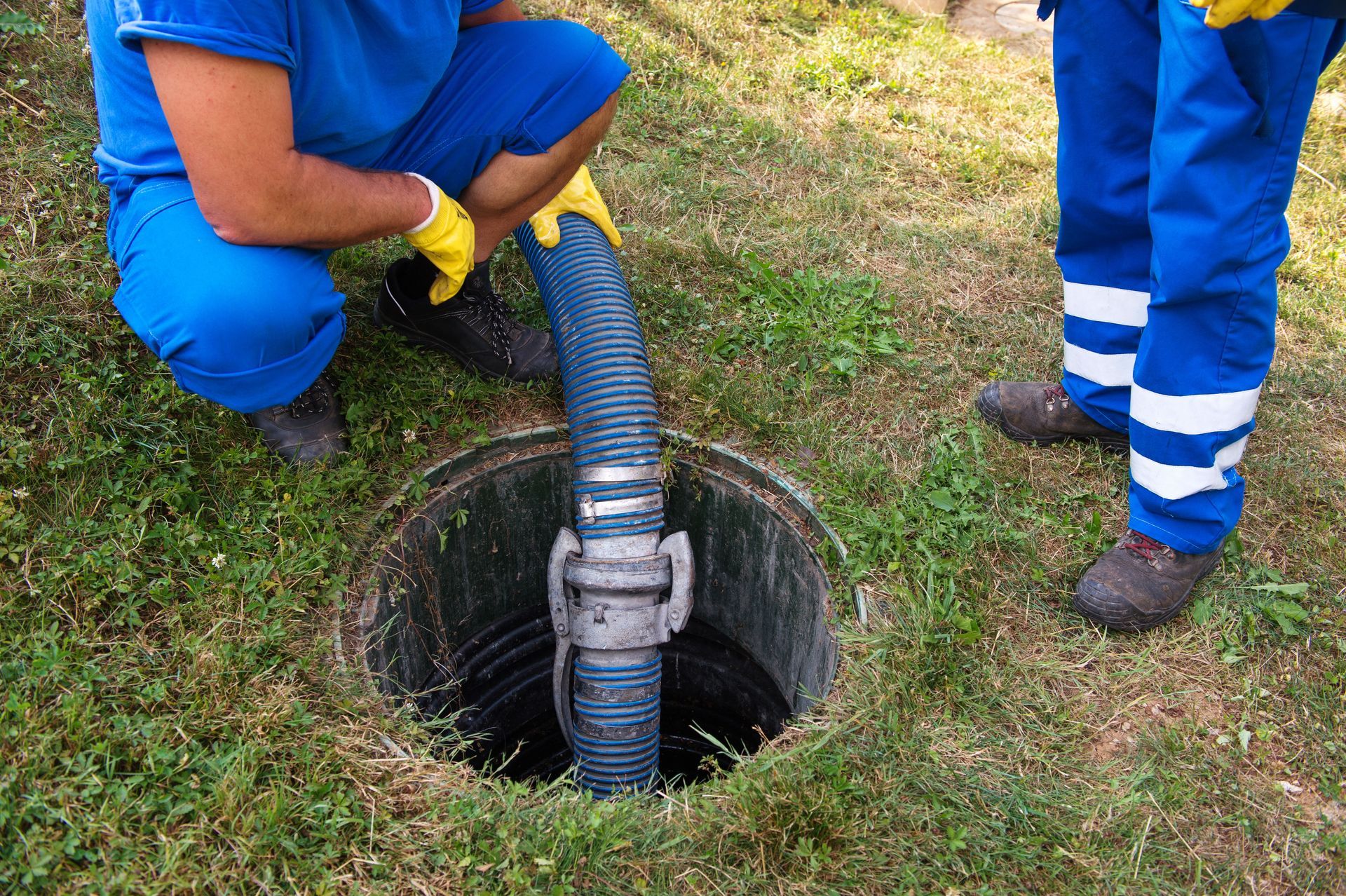
Access risers and lids allow professionals to inspect and pump the tank. Lids must remain secure because an open or damaged access point creates a serious fall and exposure hazard. Homeowners should never enter a tank. Septic tanks can contain toxic gases, insufficient oxygen, and unstable conditions that can be fatal even during a brief entry.
Gravity Creates Three Distinct Layers
The tank's natural sorting process begins when wastewater slows down. Heavier solids settle to the bottom, while fats, oils, grease, and other buoyant materials rise. Liquid remains between these upper and lower layers. According to Home Advisor, incoming wastewater separates into three portions: bottom sludge, a middle water layer, and floating scum. In septic terminology, the middle portion is commonly called liquid effluent.
In septic tanks, sludge contains solids dense enough to settle. Microorganisms break down part of the organic material, but digestion is incomplete, so the layer gradually accumulates. Sand, grit, plastics, and other nondegradable items can remain as well. If sludge becomes too deep, it reduces the tank's working volume and increases the chance that solids will reach the outlet.
Scum forms from materials that float, including oils and grease. The outlet baffle helps hold this layer in the tank rather than allowing it to enter the drain field. Scum also continues accumulating even though some organic matter may break down. Pouring cooking oil or grease into drains adds unnecessary material to this layer and can contribute to plumbing or system problems.
The effluent zone occupies the space between sludge and scum. Liquid from this area flows through the outlet when new wastewater enters and displaces an approximately equal volume. The tank therefore operates continuously rather than waiting until it is “full” in the ordinary sense. Its liquid level normally stays near the outlet elevation while accumulated solids remain until pumping.
Microorganisms Begin Biological Treatment
The low-oxygen environment inside a conventional tank supports anaerobic microorganisms. They consume and transform some organic matter, helping reduce the volume and complexity of certain waste components. This biological activity is useful, but it does not eliminate the need to remove sludge and scum. Materials enter faster than the organisms can completely digest them.
Ordinary household wastewater typically introduces and sustains the microorganisms needed for a conventional system. Routine bacterial or enzyme additives are generally not a substitute for sound maintenance, and product claims should be evaluated carefully. Some additives may be ineffective, interfere with settling, or cause solids to move toward the drain field. Homeowners should follow guidance from local health authorities and qualified septic professionals before adding treatments.
Septic tanks are designed for wastewater and human waste, not general trash disposal. Wipes labeled flushable, paper towels, feminine hygiene products, diapers, dental floss, cat litter, cigarette butts, and plastics may fail to break down and can obstruct plumbing or accumulate in the tank. Garbage disposals can also add solids, potentially affecting how quickly pumping becomes necessary.
Effluent Continues Treatment in the Drain Field
The tank performs primary treatment, after which liquid effluent travels to a distribution component and the drain field. The exact arrangement varies by system. Conventional drain fields use perforated piping or chambers to distribute effluent into unsaturated soil. As the liquid moves through suitable soil, physical, chemical, and biological processes provide further treatment.
The drain field must absorb and disperse wastewater at a sustainable rate. Saturated, compacted, or unsuitable soil may not accept effluent properly. Driving or parking over the field can compact soil or damage components, while structures and impermeable surfaces can interfere with access and evaporation. Trees and large shrubs may also create root conflicts depending on their location and the system design.
Effluent remains wastewater and can contain pathogens and nutrients. Pooling liquid, sewage odors, or unusually lush growth over the drain field may indicate a problem rather than successful fertilization. People and animals should avoid contact with surfacing wastewater, and a septic professional or local authority should be contacted promptly.
Maintenance Preserves the Sorting Process
Pumping removes the sludge and scum that biological activity leaves behind. There is no universal interval appropriate for every household. Tank size, number of occupants, wastewater volume, garbage-disposal use, and solids accumulation all affect timing. An inspection can measure the layers and help establish a schedule based on actual system conditions and local requirements.
A professional inspection may evaluate lids, risers, baffles, liquid level, accessible piping, the effluent filter, pumps or alarms when present, and visible drain-field conditions. The scope varies with the system and jurisdiction. Keeping pumping, inspection, and repair records helps homeowners track changes and gives future service providers useful background.
Conserving water supports the system by limiting sudden hydraulic loads. Repairing leaking toilets and faucets, using appliances efficiently, and spreading laundry across the week may reduce strain. Water conservation cannot repair a failed drain field or damaged tank, but it can help a functioning system process wastewater at its intended rate.
Homeowners should know where the tank and drain field are located. Accurate records prevent accidental damage during landscaping, fencing, utility work, or construction. Access points should remain reachable for service, but secured against entry. Septic tanks should not be opened casually to inspect their contents because gases, contamination, and fall hazards require professional precautions.
Respond to Warning Signs Promptly
Slow drains throughout the home, gurgling fixtures, sewage odors, backups, wet areas, or wastewater surfacing near the system warrant investigation. These symptoms can have several causes, so they do not prove that the tank needs pumping or that the drain field has failed. A qualified evaluation can distinguish between a building-plumbing blockage, damaged component, excessive solids, pump problem, or disposal-area issue.
The tank's natural sorting process is effective only when every part of the system can perform its role. Gravity separates sludge, effluent, and scum; microorganisms partially digest organic matter; and the drain field provides additional treatment in the soil. Routine pumping, appropriate inspections, careful disposal habits, and sensible water use protect these linked processes. With informed care, septic tanks can manage household wastewater reliably without being mistaken for maintenance-free systems. For expert septic tank services, get in touch with the team at Superior Plumbing Maintenance LLC!