November 5, 2026
A septic system is designed to move wastewater away from a home and manage it through an underground treatment process. When part of the system begins to fail, sinks, showers, tubs, and toilets may drain more slowly than usual. If multiple fixtures are affected at once, the septic tank or another part of the wastewater system may not be functioning as intended. These patterns help distinguish broader system concerns.
Persistent backups can indicate that wastewater has nowhere to flow or that the system is struggling to process household output. An inspection can identify a blockage, damaged component, overload, or aging tank. Depending on the findings, septic replacements may be considered when repairs cannot restore dependable operation. A professional can also review the system's service history and explain which warning signs require prompt attention.
Recognize Unusual Odors Around the Property
Strong sewage odors near indoor drains, the tank area, or the drain field can signal that wastewater is not being contained or managed properly. Odors alone do not confirm that a tank must be replaced, but they should not be ignored. A septic professional can identify whether a failing tank or another issue is involved. The location and timing of odors can provide useful clues.
Persistent odors can also accompany leaks, blocked vents, damaged pipes, or drain field problems. If the tank is cracked, structurally compromised, or no longer able to contain wastewater safely, replacement may be the appropriate long-term solution. A timely assessment can clarify the condition of the system and the next steps. The findings may also help determine whether the odor is connected to the tank, plumbing, or treatment area.
Watch for Wet Ground and Unusual Plant Growth
Areas around a septic tank or drain field should not remain unusually wet without a clear explanation. Patches of soggy soil, standing water, or unusually lush grass can indicate that wastewater is reaching the surface instead of remaining within the intended treatment area. They can point to a problem that needs professional evaluation. Changes in the yard should be assessed in context.
Wet ground does not automatically mean the tank itself has failed, since drain field damage, leaks, and drainage conditions can produce similar symptoms. However, wastewater surfacing on the property may present sanitation concerns and should be addressed promptly. An inspection can identify tank damage, drain field problems, or another cause. The assessment should account for site conditions instead of relying on one visible symptom. If the tank cannot be repaired safely or reliably, septic replacements may be part of the recommended solution.
Notice Sewage Backups Inside the Home
Wastewater backing up into toilets, tubs, showers, or floor drains is one of the more serious signs of a septic system problem. A backup can disrupt daily routines and expose occupants to unsanitary conditions. When several fixtures are affected, the cause may involve a blockage in the main line, a full tank, or a failure elsewhere in the system. Because these possibilities vary, a professional assessment is important before deciding what work is needed.
Recurring backups are especially concerning when the system has already received service and the problem returns. Repeated incidents may suggest that the underlying issue has not been resolved or that the tank and connected components are no longer functioning properly. A technician can examine the system and determine whether targeted repairs are reasonable or whether septic replacements should be considered. Septic replacements may be necessary when deterioration or structural damage makes continued use unreliable, especially after repeated failures.
Understand the Impact of Tank Age
Septic tanks can remain in service for many years, but their lifespan depends on the tank material, installation quality, soil conditions, maintenance history, and how the system is used. Older tanks may develop cracks, corrosion, weakened baffles, or other defects that affect performance. Age by itself does not prove a tank needs to be replaced, yet an older system deserves careful assessment when symptoms begin to appear. Records of past inspections and repairs can help a professional evaluate its condition.
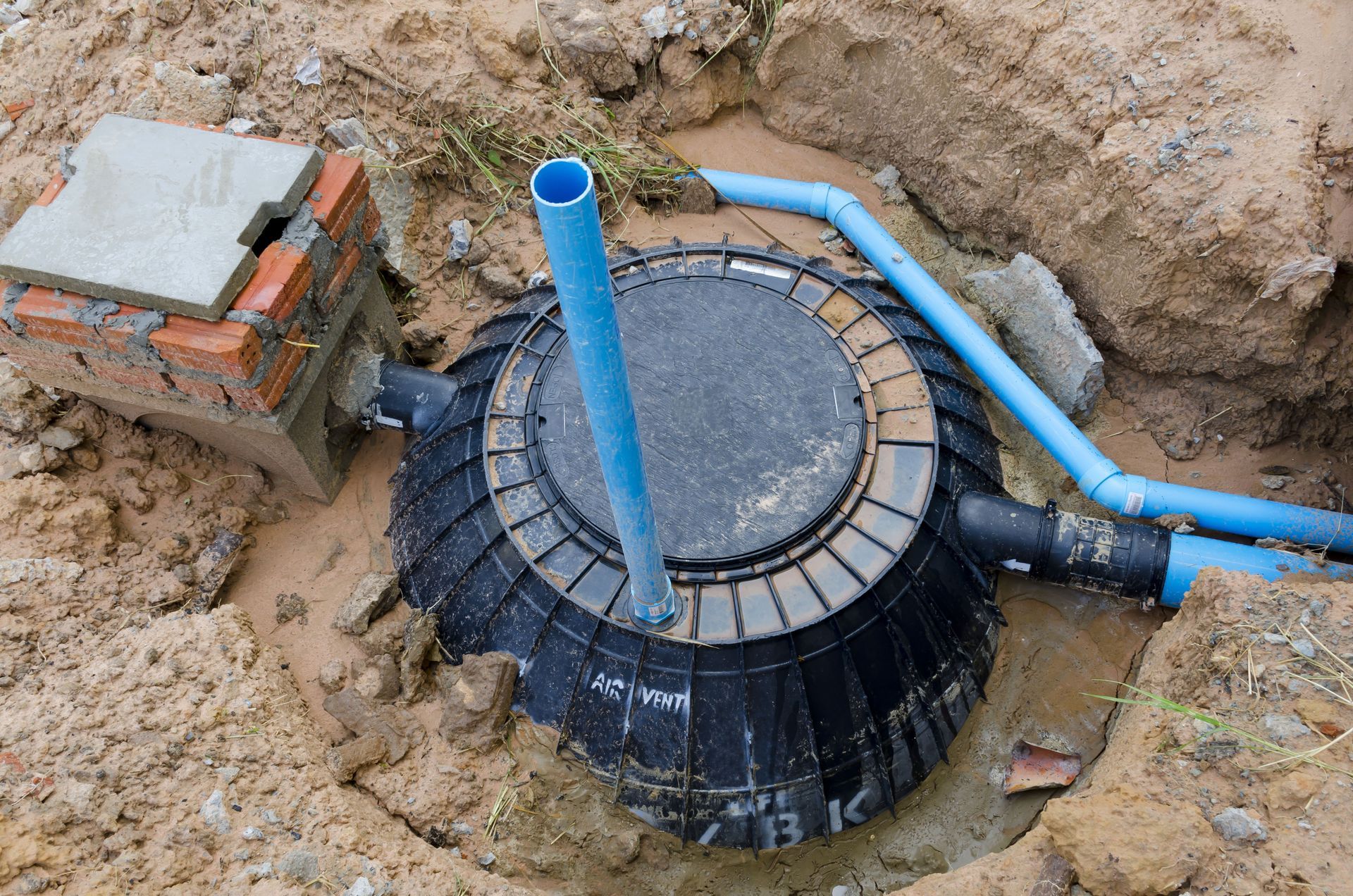
Tank capacity is also an important part of understanding how a system serves a household. According to The Spruce, residential septic tanks commonly hold 1,000 to 1,500 gallons, although available sizes can range from 750 to 1,750 gallons. The appropriate capacity depends on factors such as household demand and system design, rather than age alone. If a tank is undersized, deteriorated, or unsuitable for the property's needs, septic replacements may offer a more dependable long-term arrangement.
Identify Structural Damage and Repeated Repairs
Visible signs of damage around a tank area can indicate a serious concern, although many structural problems require a professional inspection to confirm. Shifting soil, depressions near the tank, damaged access covers, or evidence of leakage should be assessed by a qualified service provider. Concrete tanks can deteriorate, while other tank materials may be vulnerable to corrosion, cracking, or deformation. Any suspected structural defect deserves attention because the tank must safely contain wastewater.
A history of repeated repairs can also help indicate when replacement deserves consideration. If the same problems continue despite service, or if several major components are deteriorating at once, additional repairs may become less practical over time. When damage is extensive, septic replacements may be more appropriate than continuing to address separate failures. The technician can explain the reasoning behind that recommendation.
Consider Changes in Household Wastewater Demand
A septic system is designed around specific site conditions and expected wastewater use. Household size, water consumption, and changes to a property's use can place additional demands on a system that was originally designed for a smaller or different household. More frequent backups, slow drainage, or recurring signs of overload may indicate that the existing system is not handling current demand effectively. A professional assessment can help distinguish capacity concerns from mechanical or structural failures.
Changes in demand do not automatically require a new tank, and the full system should be evaluated before a recommendation is made. Tank size, drain field condition, soil characteristics, and local requirements can all influence what solution is suitable. A qualified provider can review these factors and explain whether maintenance, repairs, adjustments, or septic replacements are warranted. A professional may recommend
septic replacements when the current tank cannot meet the property's needs safely and consistently.
Schedule an Inspection Before Problems Escalate
Waiting until a septic system stops working completely can lead to more disruption and a more urgent decision about repairs. Earlier evaluation may allow more time to compare appropriate options. It can also clarify whether symptoms point to the tank or another component. Early signs such as persistent odors, recurring backups, wet ground, or slow drainage are reasons to arrange a professional evaluation.
A professional assessment should consider the tank's condition along with the connected pipes and drain field. This broader view matters because replacing a tank will not necessarily resolve a problem that originates elsewhere in the system. The provider can explain findings, next steps, and the scope of recommended work. When a tank is beyond repair, septic replacements can restore a more suitable foundation for managing household wastewater.
Recognizing septic system warning signs early can help property owners respond before a minor concern becomes a major disruption. Slow drains, sewage odors, wet areas, recurring backups, and evidence of structural deterioration all warrant attention from a qualified professional. Superior Plumbing Maintenance LLC can assess septic system concerns and explain whether the situation calls for maintenance, repair, or replacement. Contact Superior Plumbing Maintenance LLC to discuss the symptoms at your property and arrange professional guidance for your septic system needs.