August 6, 2026
Keeping your home plumbing system in peak condition requires consistent care, proactive attention, and timely professional oversight. Many homeowners take their water lines, drainage networks, and underground fixtures for granted until a major leak or sewer backup suddenly disrupts daily routines. Establishing regular maintenance habits helps protect your property from water damage, prevents emergency service calls, and extends the overall lifespan of every pipe and fixture under your roof. By understanding how daily habits impact your plumbing, you can take active steps to maintain smooth wastewater flow and reliable clean water delivery throughout your household. Partnering with licensed professionals for routine care ensures that minor issues are identified early before turning into costly repairs.
Protecting Your Household Drain System
Every sink, shower, and toilet in your house relies on a clear, unobstructed drainage path to transport wastewater safely away from your living space. Avoiding the disposal of grease, harsh chemicals, coffee grounds, and certain paper products down drain lines keeps wastewater flowing smoothly without dangerous blockages. Over time, organic matter and foreign objects cling to pipe interiors, causing slow drainage and eventual line backups. Having certified plumbers inspect and clear your drain lines periodically removes stubborn buildup before it threatens your plumbing infrastructure. Clean drainage lines protect surrounding walls and floors from sudden overflows while keeping your entire household environment hygienic and odor-free.
Managing Wastewater Processing With Your Septic Tank
Properties operating on private wastewater systems rely on an underground septic tank to separate solid waste from liquid effluent safely. Managing water usage, avoiding excessive chemical cleaners, and keeping heavy vehicles off the absorption field are essential habits for protecting system integrity. A well-maintained septic tank processes thousands of gallons of household wastewater every month, keeping solid waste contained while liquid filters into the ground. Neglecting routine care allows solid materials to accumulate rapidly, risking severe drain field clogging and structural damage. Treating your system with care ensures uninterrupted wastewater treatment for your home for decades to come.
Scheduling Regular Tank Inspection and Pumping
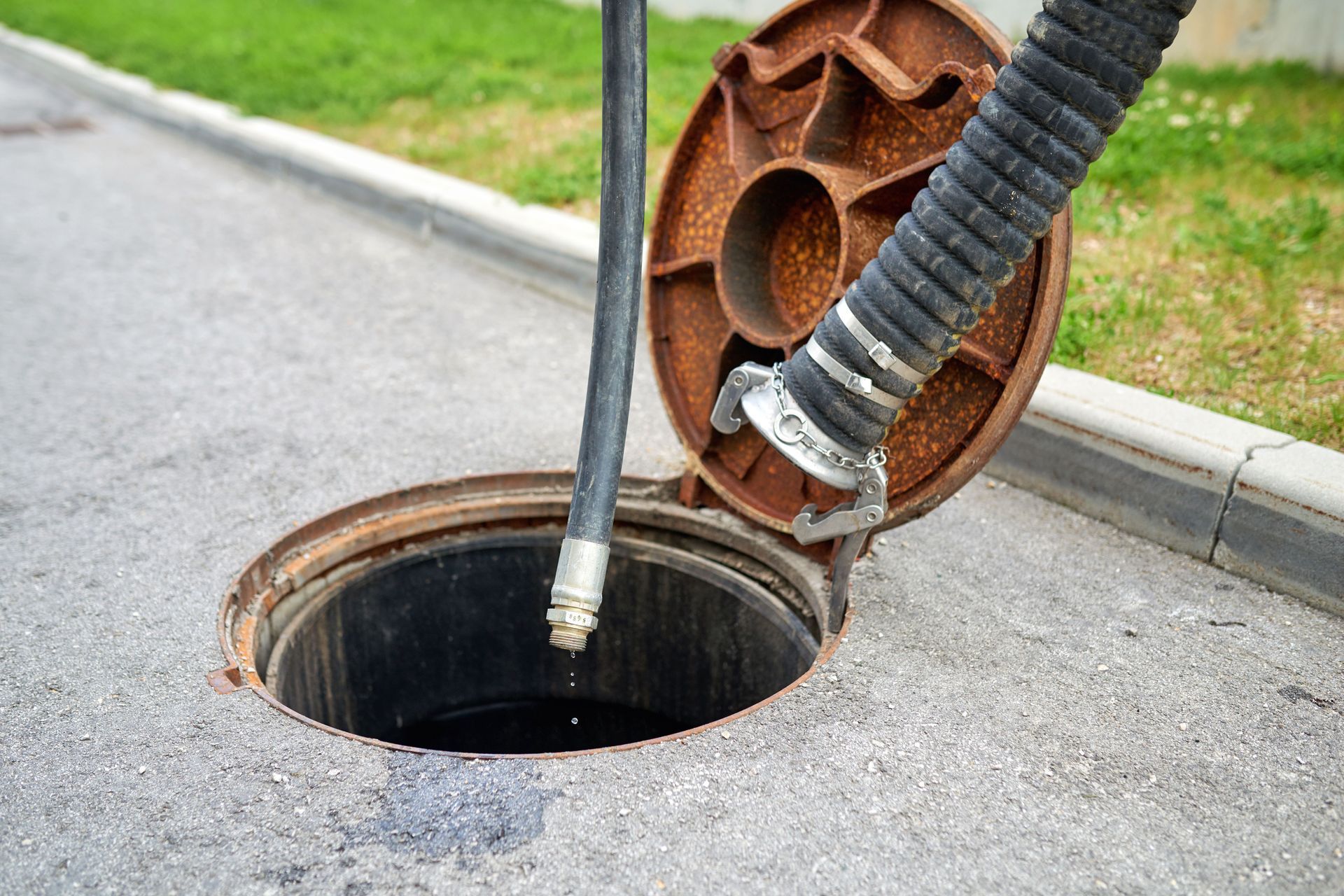
Consistent professional monitoring remains the single most effective way to prevent catastrophic failures in private wastewater treatment systems. According to Home Advisor, an annual inspection and a pump-out every three to five years safeguard your septic tank's performance. During a routine service visit, experienced technicians measure scum and sludge layers, inspect structural baffles, and clear out accumulated solid waste. Removing accumulated sludge prevents raw sewage from escaping into surrounding soil or backing up through household fixtures. Establishing a predictable schedule for your septic tank protects your property investment and keeps local groundwater sources safe from contamination.
Monitoring Household Water Pressure Levels
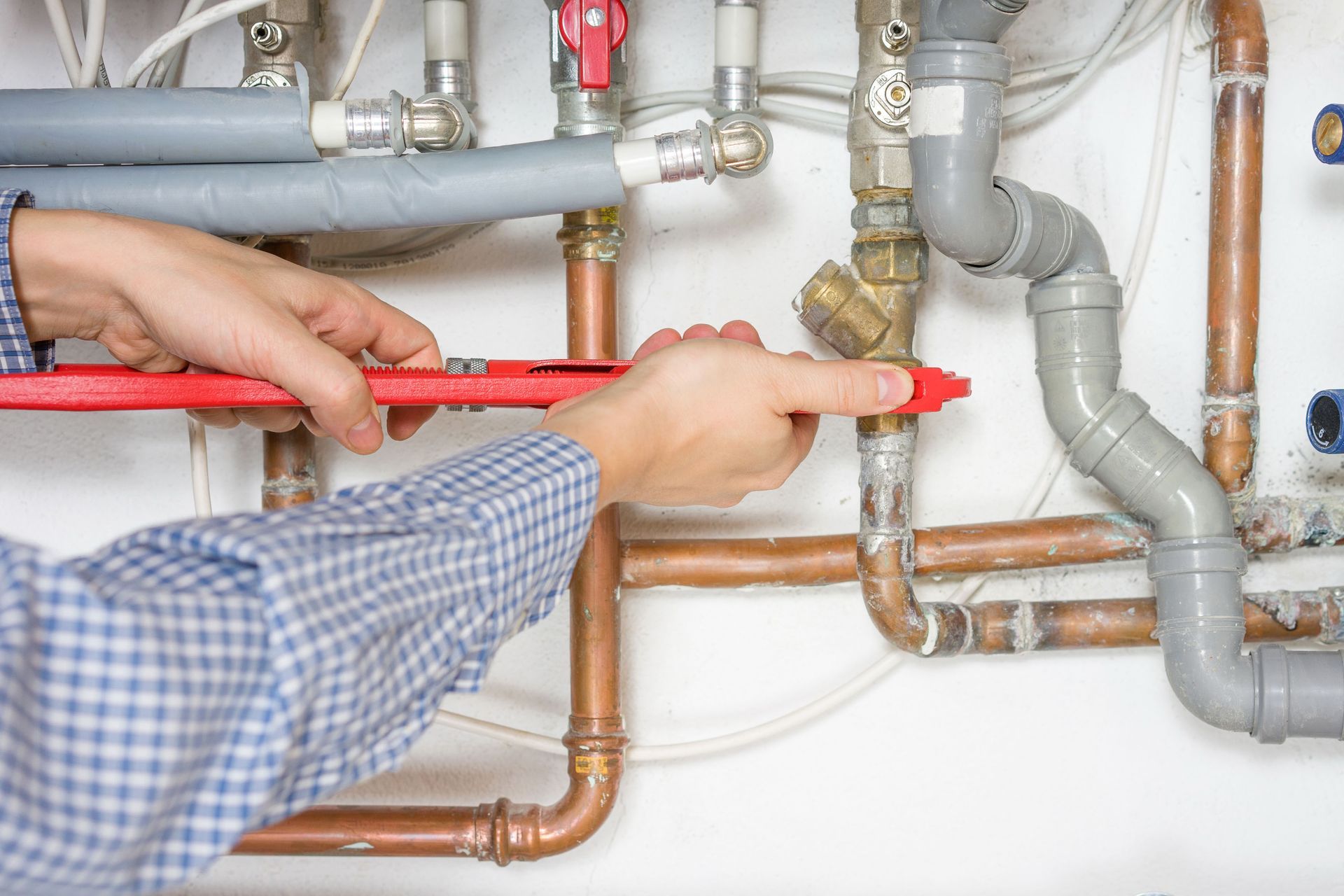
High water pressure might feel refreshing in the shower, but excessive force puts immense strain on pipe joints, valves, and appliance connections throughout your home. Uncontrolled pressure spikes increase the risk of pinhole leaks, pipe bursts, and premature wear on water heaters and washing machines. Professional plumbers can measure your incoming water pressure and install pressure-reducing valves to maintain a safe, steady flow. Keeping your home water pressure within recommended ranges prevents hidden leaks behind walls and protects delicate fixtures from sudden mechanical failure. Regular pressure checks represent a simple yet powerful habit for long-term plumbing protection.
Inspecting Water Heaters for Mineral Buildup
Water heaters work continuously to deliver warm water to your faucets, making them prone to sediment accumulation over years of daily operation. Minerals naturally present in local water supplies settle at the bottom of the storage unit, creating an insulating layer that forces the heating element to work much harder. Over time, heavy sediment leads to strange popping noises, reduced heating efficiency, and potential tank corrosion. Scheduling annual professional water heater flushing removes these mineral deposits and protects internal components. Proper maintenance ensures efficient hot water delivery while extending the service life of your heating unit.
Examining Exposed Pipes and Fixtures for Leaks
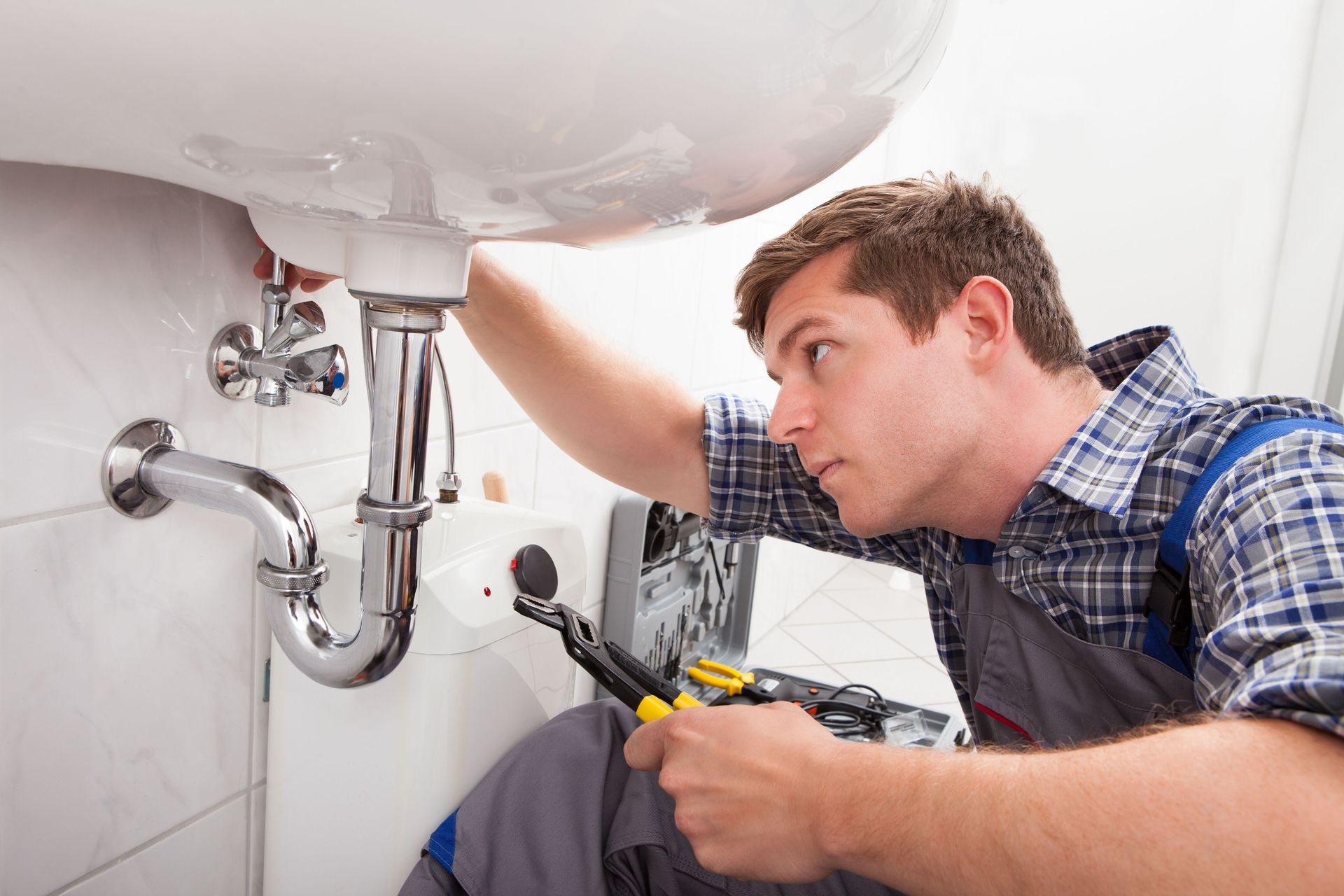
Small drips under kitchen sinks, creeping moisture near toilets, and faint water stains on ceilings often signal developing plumbing concerns behind the scenes. Regularly walking through your property to inspect visible piping under cabinets, near laundry connections, and around basement walls helps catch leaks early. Even minor moisture accumulation creates ideal conditions for mold growth, wood rot, and structural decay. Calling certified technicians at the first sign of dampness ensures that leaking joints are sealed quickly and cleanly. Early leak detection saves money on utility bills while safeguarding structural materials from long-term water damage.
Protecting Fixtures from Hard Water Scale
Mineral-rich hard water leaves stubborn white deposits on faucets, showerheads, and appliance valves over time. Beyond creating unsightly surface stains, scale buildup constricts water flow through fixture aerators and damages internal rubber seals. Having plumbing experts evaluate your water hardness allows you to explore effective water conditioning or softening solutions tailored to your property. Conditioning hard water protects delicate mechanical valves inside dishwashers and washing machines while maintaining optimal water pressure across all household taps. Preserving fixture performance keeps your kitchen and bathroom amenities operating like new.
Sustaining Healthy Soil Absorption Around Your Septic Tank
The drain field located near your septic tank performs the final, crucial step of filtering liquid wastewater back into the surrounding environment. Protecting this area from soil compaction, excess surface runoff, and deep-rooting trees ensures that liquid effluent absorbs smoothly without surface pooling. Avoid placing heavy structures or driving machinery over buried pipe trenches, as packed soil restricts oxygen movement and hampers natural biological filtration. Experienced technicians evaluate soil conditions around your septic tank during routine checkups to confirm that absorption zones remain open and functional, preventing soggy lawns and foul odors.
Maintaining Clean Sewer Lines and Main Drains
Your main sewer line carries all combined household wastewater away from your foundation toward municipal collection systems or private treatment tanks. Tree root intrusion, ground shifting, and pipe corrosion can cause main sewer lines to crack, sag, or become blocked over time. Professional video camera inspections allow plumbers to examine interior pipe walls in real time, pinpointing hidden blockages or structural cracks without invasive digging. Clearing main line obstructions promptly prevents raw sewage from backing up into basement drains and lower-level living spaces. Routine main line evaluations maintain dependable drainage across every fixture in your home.
Preparing Plumbing Systems for Seasonal Weather Shifts
Seasonal temperature drops pose significant risks to exposed piping in unheated spaces like basements, crawlspaces, and outdoor hose spigots. Frigid air causes standing water inside pipes to freeze and expand, creating high pressure that easily ruptures metal and plastic lines alike. Scheduling seasonal insulation updates and disconnecting garden hoses before cold weather arrives protects vulnerable supply lines from freezing. Licensed plumbers can install frost-proof hose bibs and insulate vulnerable piping to ensure your system survives cold snaps without burst pipes or sudden flooding. Proactive seasonal preparation keeps your water lines safe year-round.
Developing consistent plumbing maintenance habits protects your property, safeguards your family, and ensures comfortable living day in and day out. From monitoring daily water usage to scheduling timely inspections for your septic tank, professional oversight provides complete peace of mind. Investing in routine care prevents unexpected plumbing emergencies and prolongs the lifespan of your entire water infrastructure. If you are ready to establish a comprehensive maintenance plan or need expert evaluation for your home plumbing system, contact Superior Plumbing Maintenance LLC today to schedule a service visit with a licensed expert.